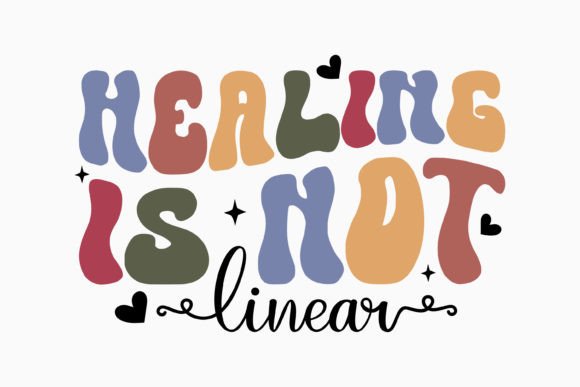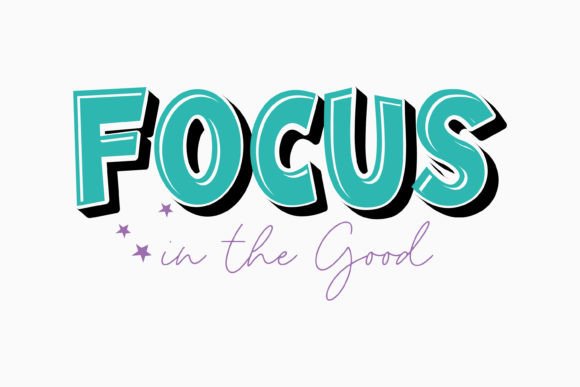
Retro Mental Health SVG Focus in the Go: Graphics & Crafts
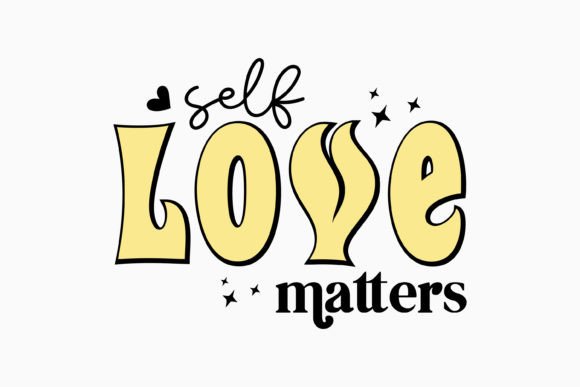
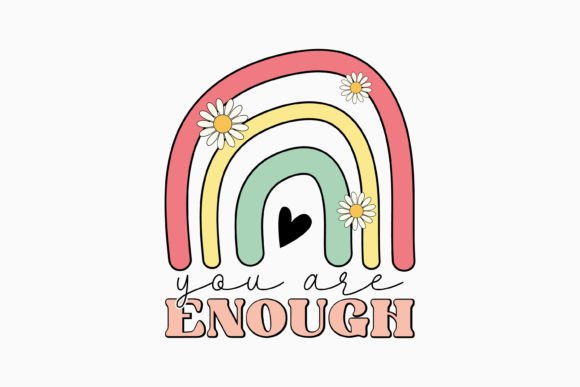
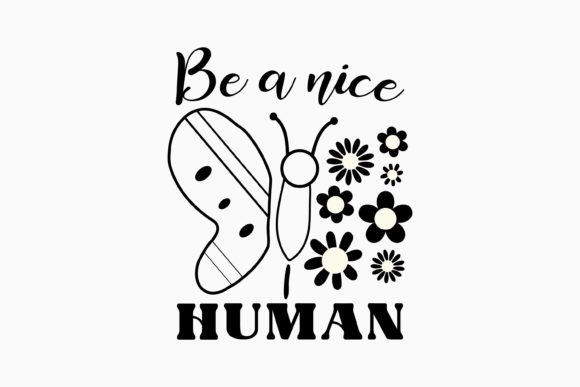
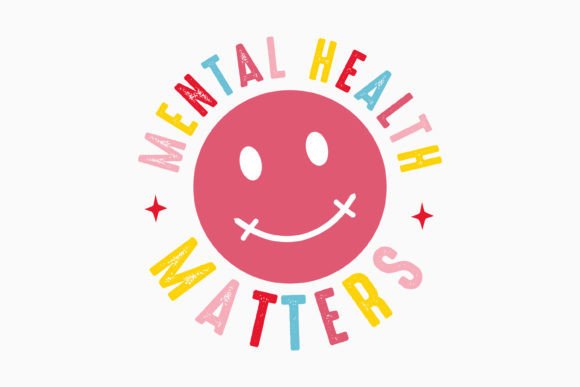
As a digital publisher and blog designer constantly scouting for assets that bridge the gap between aesthetic appeal and functional content marketing, my first impression of Retro Mental Health SVG Focus in the Go was immediately positive. In an era where wellness content often defaults to sterile minimalism or overly clinical stock photography, this graphic design asset introduces a necessary warmth. The retro typography and nostalgic color palette evoke a sense of comfort and approachability that is essential for mental health niches. It does not feel corporate; rather, it feels human, curated, and intentionally crafted for audiences seeking connection over perfection. For editorial design, this mood is invaluable because it lowers the reader's defensive barriers before they even engage with the headline.
This asset naturally supports lifestyle-focused wellness blogs, creative entrepreneurship platforms, and educational content regarding self-care. It strikes a balance between playful and professional, making it suitable for modern design systems that need personality without sacrificing readability. When evaluating graphics for real website use, I look for versatility, and this piece delivers by feeling equally at home on a vintage-inspired craft site or a contemporary mental health resource hub.
Integrating Visuals into Real Publishing Workflows
In my daily workflow preparing featured images and Pinterest pins, consistency is the primary challenge. Retro Mental Health SVG Focus in the Go solves this by offering a cohesive visual anchor across multiple content formats. Because the source file includes both EPS and SVG formats at 300dpi, I can scale this graphic from a small newsletter icon to a massive website header without any pixelation or quality loss. This vector capability is non-negotiable for responsive web design where clarity on mobile devices determines bounce rates.
For bloggers and affiliate marketers, this asset functions exceptionally well as a recurring motif in digital guides and lead magnets. Imagine creating a downloadable self-care checklist or an eBook cover; having a high-quality, editable graphic ensures your paid products look as polished as your free content. I have used similar retro-style assets to create Canva templates for social media graphics, allowing for rapid production of Instagram carousels and story slides that maintain brand identity. The ability to easily change colors means I can adapt the same base graphic for different seasonal campaigns or category thumbnails without purchasing new assets, streamlining the creative design process significantly.
Enhancing Click-Through Rates and Reader Trust
Visual hierarchy is not just about aesthetics; it is a direct driver of content performance. Retro Mental Health SVG Focus in the Go contributes to stronger first impressions by providing a distinct focal point that guides the eye toward your headline. In A/B testing blog graphics, illustrative elements with retro styling often outperform generic stock photos because they signal originality and effort. When a reader sees a custom-styled graphic, they subconsciously attribute higher value to the accompanying text, improving reader trust and time-on-page metrics.
Furthermore, consistent use of specific design assets builds brand recognition. If you operate a small business branding strategy around holistic wellness, using this retro aesthetic across your printable design files, media kits, and article headers creates a unified visual language. This cohesion helps users instantly recognize your content in crowded Pinterest feeds or email inboxes. For affiliate marketing specifically, professional-looking visuals increase the perceived legitimacy of product recommendations, which is crucial for conversion.
Strategic Placement for Maximum Editorial Impact
Knowing where to deploy a graphic is as important as the graphic itself. Retro Mental Health SVG Focus in the Go performs best in high-visibility areas where emotional resonance matters. Hero images are the obvious choice, but I also recommend using it as an editorial accent within long-form articles to break up dense text blocks. It works beautifully as a header for content upgrades or downloadable resources, signaling to the reader that a valuable digital download awaits. Newsletter headers benefit immensely from this style, as the retro vibe stands out against the typically white backgrounds of email clients, increasing open and engagement rates.
Social media previews and Pinterest pins are perhaps the strongest use cases. The vertical scalability of the SVG format allows you to optimize for platform-specific aspect ratios while maintaining crisp edges. For category visuals on a blog, this graphic helps differentiate mental health content from other sections, aiding navigation and user experience. In commercial design contexts, such as selling printables or merchandise, the included source files allow for the creation of mockups that accurately represent the final product, bridging the gap between digital preview and physical crafts.
Navigating Limitations and Contextual Sensitivity
Despite its strengths, this asset requires careful implementation. It should be used cautiously in highly clinical or corporate mental health settings where a retro aesthetic might be misinterpreted as trivializing serious conditions. Always match the visual tone to the gravity of the written content. Additionally, avoid placing this graphic on busy backgrounds or alongside text-heavy blog images where visual competition reduces readability. On small mobile thumbnails, intricate retro details can become muddy; always test how the graphic renders at reduced sizes to ensure the message remains legible.
Contrast is another critical factor. While the asset offers 100 changeable colors, publishers must verify accessibility standards. Ensure sufficient contrast ratios between the graphic and your background, especially when used behind white text in website headers. Low-contrast combinations may look artistic on a desktop monitor but fail completely on outdoor mobile screens. Finally, avoid using this decorative style for urgent crisis resources or emergency contact information, where clarity and standard signage conventions take precedence over creative design.
Publisher Notes: Technical Checks and Licensing
Before integrating Retro Mental Health SVG Focus in the Go into any monetized project, conduct thorough technical due diligence. Test the SVG file in various browsers and design software to confirm compatibility. Compress exported PNG or JPG versions properly to maintain web performance; a beautiful graphic that slows down page load speed will hurt SEO more than it helps engagement. Preview the asset inside your actual blog layout rather than relying solely on artboard views, as sidebar widths and content containers can drastically alter visual perception.
- Font Pairing: Test the graphic beside serif, sans-serif, script, and display fonts to find the combination that enhances rather than competes with the retro lettering.
- Color Testing: Utilize the easy color change feature to create a monochrome version for black-and-white printables or low-ink worksheets.
- Licensing Verification: Confirm the commercial license terms explicitly. Ensure you have the rights to use the asset on affiliate pages, paid digital products, and client work before publishing.
- Mobile Preview: Check thumbnail clarity on actual devices, not just browser resizing tools, to ensure touch targets remain clear and visuals remain sharp.
- File Organization: Keep the master EPS and SVG files organized in your asset library for future edits, separating them from web-ready exports to prevent accidental overwrites.
Ultimately, Retro Mental Health SVG Focus in the Go is a robust tool for content creators who understand that design serves strategy. By leveraging its editable nature and high-resolution source files, publishers can elevate their editorial quality, strengthen their visual identity, and create a more engaging experience for their audience. Whether used for crafts, digital downloads, or website branding, this asset represents the kind of thoughtful, versatile resource that sustains long-term content growth.